


Types of Climbers Available
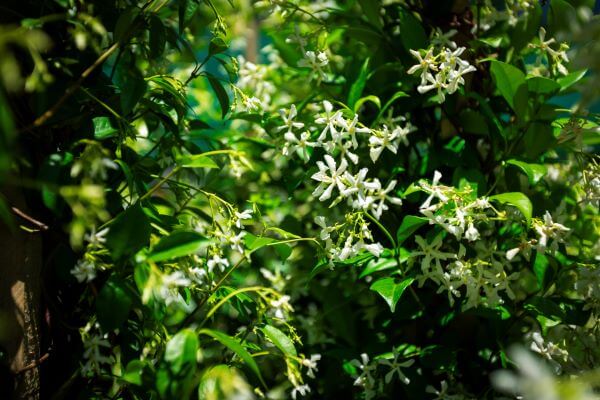
From the dainty Ticky creeper to Magical Wisteria we have something for everyone’s taste. The versatile Star Jasmine are available from little 15cm pots up to 2m tall plants in 20L bags whilst our top seller Bougainvillea range from young 17cm pots up to 3m mature specimens in 70L bags. Our hardware section will have the wooden trellis, metal obelisk or Arch to support your chosen creeper.

Climbing Plant Care
Light:
Climbers in Cape Town generally prefer full sun (6-8 hours daily) to produce vibrant blooms and healthy growth. Some climbers, like Star Jasmines, can tolerate bright, indirect light or partial shade, making them suitable for sheltered spots or along fences with some cover.
Watering:
Check soil moisture before watering to avoid overwatering. Ensure pots or climbing structures have adequate drainage. Water early in the morning to reduce evaporation, especially during dry spells.
Temperature:
Climbers grow best in temperatures between 18-24°C. Protect heat-sensitive climbers from intense afternoon sun by mulching the surface with coarse compost during peak heat periods to prevent wilting.
Fertilising:
Use a balanced fertiliser during the growing season (spring and summer), following the recommended dosage. Apply every 4-6 weeks to promote vigorous growth and flowering.
Pruning:
Regularly prune climbers by removing dead or damaged growth and deadheading spent flowers. Pruning encourages new growth and helps maintain the plant’s shape and health.
Pest Management:
Monitor for pests such as Aphids, Red spider Mites & Whiteflies on climbers. Treat promptly with Organic Insecticides to protect your plants from infestations.
Climbing Plants FAQs
Here is a Frequently Asked Questions (FAQ) list specifically tailored for climbing plants at Ferndale Nursery in Cape Town, South Africa:
What are climbing plants, and how do they differ from other plants?
Climbing plants are plants that use various mechanisms, such as tendrils, twining stems, or hooks, to climb and spread vertically or horizontally. They differ from other plants by their ability to grow upward and cover structures such as fences, trellises, and walls. They are perfect for adding height, privacy, and visual interest to gardens with limited space.
What are the best climbing plants for Cape Town’s climate?
Cape Town’s Mediterranean climate, with hot, dry summers and mild, wet winters, is ideal for many climbing plants. Some of the best choices for this climate include:
- Bougainvillea (vibrant, hardy, and drought-tolerant)
- Clematis (offers beautiful flowers and thrives in full sun or partial shade)
- Jasmine (fragrant flowers, ideal for sunny or partially shaded spots)
- Star Jasmine (Trachelospermum jasminoides) (hardy and evergreen)
- Passionflower (Passiflora) (grows quickly and produces unique, beautiful flowers)
- Pandorea (fast-growing with large blooms)
When is the best time to plant climbing plants in Cape Town?
The best time to plant climbing plants in Cape Town is during spring (September to November) or autumn (March to May). Spring planting allows the plants to establish their roots before the hot summer months, while autumn planting helps them establish a strong foundation before the cooler, wetter winter.
How do I plant climbing plants?
To plant climbing plants:
- Choose the right location: Most climbing plants need a sunny spot with good air circulation. Ensure the soil is well-draining and enriched with organic matter.
- Install support: Provide a trellis, fence, or other vertical structure for the plant to climb. Ensure its sturdy enough to support the plant as it grows.
- Planting depth: Dig a hole large enough to accommodate the root ball, place the plant in the hole, and backfill with soil. Water thoroughly after planting.
- Training: Gently guide the stems or tendrils towards the support structure to help the plant begin climbing.
How do I care for climbing plants in Cape Town?
Climbing plants generally require:
- Watering: Regular watering, especially during dry periods, but ensure the soil is well-draining to avoid waterlogging.
- Fertilising: Apply a balanced fertiliser 4-6 weekly to encourage healthy growth. Some plants may require a specific fertilizer, such as one higher in potassium for blooming species.
- Pruning: Prune regularly to remove dead or damaged growth and shape the plant. This also encourages new growth and better flowering.
- Support maintenance: Check that the support structure is secure and that the plant is properly trained to avoid damage.
Do climbing plants need full sun?
Most climbing plants thrive in full sun (at least 6 hours of direct sunlight per day), which promotes strong growth and abundant blooms. However, some climbing plants, like Clematis and Jasmine, can tolerate partial shade. Be sure to check the specific sunlight requirements of the plant variety you’re growing.
How fast do climbing plants grow?
The growth rate of climbing plants varies by species:
- Fast-growing climbers: Plants like Bougainvillea, Senecio and Solanum can grow quickly, sometimes up to 1 meter per year under optimal conditions.
- Slower-growing climbers: Clematis and Wisteria may take longer to establish but can eventually cover large areas over time. The growth rate also depends on the plant’s age, the environment, and care conditions.
How do I encourage climbing plants to flower?
To encourage blooming:
- Provide adequate sunlight: Ensure your climbing plant is getting enough sun, as most flowering climbers require at least 4-6 hours of direct sunlight.
- Pruning: Regularly remove dead or spent flowers and cut back leggy growth to encourage more blooms.
- Fertilising: Use a fertiliser that is higher in potassium to promote flowering, especially for varieties like Passionflower and Clematis.
- Watering: Maintain consistent moisture but avoid waterlogging. Plants stressed by drought may not flower well.
Can I grow climbing plants in pots or containers?
Yes, many climbing plants can thrive in pots or containers, especially compact varieties like Clematis and Star Jasmine. Ensure the container has good drainage and is large enough to accommodate the root system. You’ll also need a trellis or support structure to help the plant grow vertically. Regular watering and fertilising are crucial when growing climbing plants in containers.
How do I train climbing plants to grow on a trellis or wall?
To train climbing plants:
- Guide the stems: As the plant grows, gently tie the stems to the trellis or structure using soft twine or plant ties.
- Encourage growth: For climbers like Jasmine or Clematis, encourage the plant to twine by twisting the stems around the support structure as it grows.
- Regular pruning: Prune back long or unruly stems and shape the plant as needed to keep it following the structure.
Do climbing plants attract pests?
Like any other plants, climbing plants can attract pests. Common pests include:
- Aphids: Use insecticidal soap or neem oil to control aphids.
- Mealybugs: Treat with insecticidal soap or horticultural oil.
- Caterpillars: Remove them manually or use an organic pesticide.
- Snails and slugs: These can damage climbing plants, especially when young. Use slug pellets or create barriers to prevent them from reaching the plants.
- Spider mites: Spray affected plants with insecticidal soap.
How do I protect my climbing plants from Cape Town’s coastal winds?
Coastal winds in Cape Town can be tough on climbing plants. To protect your climbers:
- Windbreaks: Plant a hedge or use a fence to shield your climbing plants from strong winds.
- Choose hardy varieties: Varieties like Bougainvillea and Ficus pumila are more resilient to coastal conditions.
- Support structures: Ensure the support structures are stable enough to withstand wind, and check that plants are securely attached.
How do I deal with yellowing leaves or poor growth on my climbing plants?
Yellowing leaves or poor growth can be caused by:
- Nutrient deficiencies: Ensure your climbing plants are getting the right nutrients, especially nitrogen for green growth. Consider using a balanced fertiliser.
- Watering issues: Both overwatering and underwatering can cause stress. Ensure the soil is well-draining and water regularly but avoid waterlogging.
- Pests: Check for aphids or other pests that may be sucking the plant’s sap. Treat accordingly.
- Poor sunlight: Lack of sufficient sunlight can lead to weak growth. Make sure your climbing plant is getting the required amount of sun.
How do I prune climbing plants?
Pruning climbing plants encourages healthy growth and flowering:
- Prune after flowering: For most climbers like Clematis and Passionflower, prune after the flowering season to maintain shape and remove dead or diseased stems.
- Remove dead or damaged growth: Regularly trim back any overgrown or dead stems to encourage new growth.
- Control size and shape: If the plant is growing too vigorously, prune back long stems to keep it in check.
Can climbing plants be used for privacy screening or shading?
Yes, climbing plants are excellent for creating privacy screens and shade. Varieties like Bougainvillea, Star Jasmine, and Passionflower can quickly cover fences, trellises, and pergolas, providing both beauty and privacy. Choose fast-growing or dense climbers to achieve the desired effect.
These FAQs are designed to help customers at Ferndale Nursery in Cape Town care for their climbing plants, which thrive in the unique local climate. Whether you’re adding vertical interest, privacy, or shade to your garden, climbing plants are a fantastic option for enhancing your outdoor space.
