A Little Love Goes a Long Way
February at Ferndale
February is the month of love, and there’s no better time to show your garden some affection. With long days, warm soil and lush summer growth, the care you give now will reward you well into autumn and beyond.
Whether you’re head-over-heels for beautiful plants, curious about mulching, in need of expert advice, or simply popping in for a wander, February has something special waiting for you at Ferndale.

February Garden Care
Set Your Garden Up for Autumn Success
February is a crucial month in the garden. The focus now is maintenance, mulching, feeding, and preparation, helping your gardens sustain the rest of summer and transition smoothly into autumn.
Our gardens show us unconditional love, flowering with pure, innocent beauty, all they ask in return is for the right care at the right time.
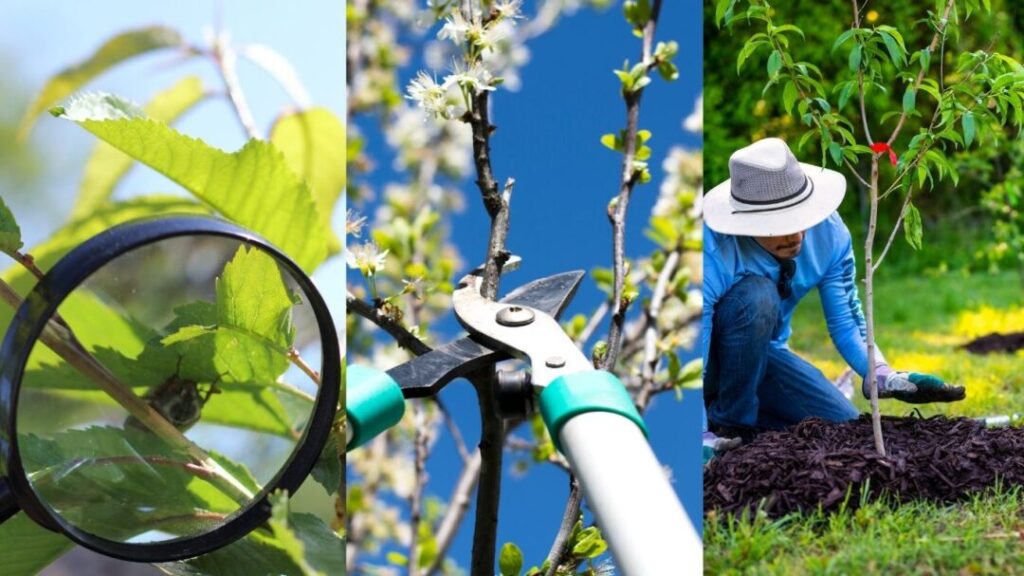
Mulching Matters
Mulching is your gardens summer sheild. In Cape Town’s warm, dry summer climate, mulch is one of the simplest and most effective ways to protect and strengthen your garden. If there’s one job that makes a real difference right now, this is it.
Mulching now not only helps your garden through the heat of summer, it also prepares your soil beautifully for autumn planting, making it one of the smartest seasonal jobs you can do.
Why Mulch Is So Important Now
Conserves precious moisture
Mulch acts like a protective blanket over the soil, reducing evaporation and helping water stay where plants need it most, at the roots.
Regulates soil temperature
Summer heat can stress plant roots. Mulch keeps soil cooler during hot days and reduces temperature swings.
Improves soil health
As organic mulch breaks down, it enriches the soil, improves structure, and encourages beneficial microbial life.
Suppresses weeds naturally
A good layer of mulch blocks sunlight from reaching weed seeds, meaning fewer weeds competing for water and nutrients.
Supports stronger, healthier plants
Plants that experience less stress from heat and dryness are more resilient and perform better through seasonal changes.
How to Mulch Correctly
✔ Apply a layer about 5–8cm thick
✔ Keep mulch away from plant stems and tree trunks
✔ Water well before applying mulch
✔ Replenish as it naturally breaks down
What You Can Use as Mulch
- Bark chips
- Compost
- Pine needles
- Straw
- Wood chips
Our team can help you choose the best mulch for your garden beds, trees, or containers.

The Big One Is Back!
Ferndale’s Annual Clearance Sale
This is the moment many of you wait for all year…
Ferndale’s Annual Clearance Sale
Saturday & Sunday | 21 & 22 February 2026
Expect super specials across a wide range of items:
- Plants
- Pots
- Tools
- And plenty of garden treasures
It’s the perfect opportunity to spend your loyalty points before they expire on the
If you’ve been saving them, now’s the time to treat your garden (and yourself).

Loyalty points cannot be earned on sale items.
Other important tasks for February are below
- Lawn care & summer upkeep
- Dead heading & tidying
- Feeding your garden
- Filling gaps with colour & foliage
- Natural pest control
- Plant now for autumn
- Indoor plants
- Fruit trees
1. Lawn care & summer upkeep
- Water deeply rather than frequently to encourage strong root growth
- Mow slightly higher to protect grass from sun stress
- Apply a suitable summer lawn feed to keep colour and density. When choosing a fertiliser, look at the nitrate (N) number on the bag, the higher the number, the higher the nitrogen content, which helps keep your lawn green and prevents sun bleaching.
- Keep an eye out for pests or dry patches and address early
- Water early morning or late afternoon to reduce evaporation and make the most of every drop.
A healthy lawn now means far less repair work later. We stock organic options like Bioganics as well as high-nitrate fertilisers for faster, greener results, and we’re always happy to advise you on which one suits your lawn best.

2. Dead heading & tidying
- Remove spent flowers to encourage continued flowering
- Lightly trim untidy growth on perennials and annuals
- Avoid heavy pruning, save that for cooler months
- Dead heading helps plants redirect energy into new growth and flowers.
Here are some plants to keep an eye on:
- Roses – Remove spent flowers regularly to encourage new growth and prevent plants from wasting energy on old flowers. Check stems for aphids and mites, and make sure plants are well supported as they grow.
- Hydrangeas – They wilt quickly in heat. Water deeply in the early morning, mulch to keep roots cool, and protect from harsh afternoon sun where possible.
- Fuchsias & Impatiens – These shade lovers suffer in hot, dry conditions. Keep soil evenly moist, remove faded flowers, and move pots to cooler, sheltered positions.
- Petunias & Summer Annuals – Dead head often and lightly trim back leggy growth to keep plants compact and flowering freely.
- Newly Planted Shrubs & Trees – Their roots are still shallow, so they need regular, deep watering and a layer of mulch to reduce moisture loss.
- Pot Plants – Pots dry out very quickly in summer. Check them daily, water thoroughly, and make sure drainage holes are clear.

3. Feed your garden now
- Plants are growing fast, flowering continuously, and coping with heat stress, which means they’re using up nutrients quicker than you think.
- Use liquid feeds for quick results and granular feeds for longer-lasting nutrition
- Well fed plants cope better with heat and are stronger going into autumn.
Here Is What To Focus On:
- Flowering Plants & Roses – These heavy feeders need regular nourishment to keep producing flowers. A balanced fertiliser supports strong growth and better flowering, helping plants recover from heat stress and pruning.
- Shrubs & Hedges – Summer growth can slow if nutrients run low. Feeding keeps foliage lush, prevents yellowing, and helps plants hold their shape after trimming.
- Pot Plants & Hanging Baskets – Nutrients wash out of pots quickly with frequent watering. Regular feeding is essential to keep container plants looking vibrant and productive.

4. Filling gaps with instant colour & foliage
- Add bright, heat tolerant plants for instant impact
- Refresh pots and containers with seasonal colour
- Choose plants that will carry interest through late summer and early autumn
- Fast growing plants for instant impact
Our team can help you pick the right plants for sun, shade, or tricky spots.
Here Are Some Favourites:
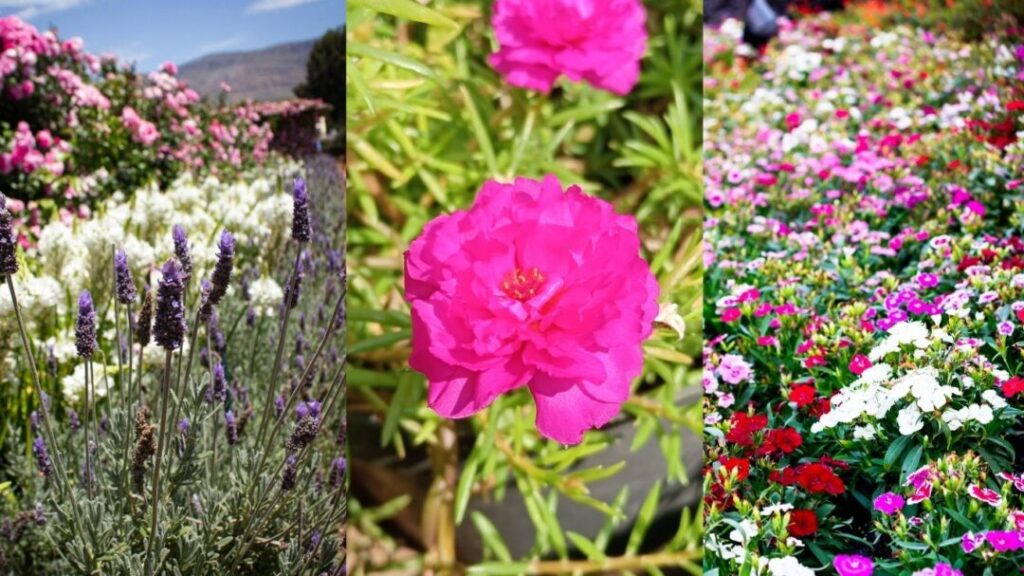
- Petunias – Dependable and fast-filling, perfect for sunny beds, borders, and pots. Long flowering and great for spilling over edges.
- Zinnias – Heat loving and quick to grow, with bold, bright flowers that last for weeks. Great for sunny gaps and cutting gardens.
- Marigolds – Tough, cheerful, and reliable in hot sun. Ideal for filling gaps and helping deter pests.
- Portulaca (Vygies / Moss Rose) – Low growing, succulent-leafed groundcover that carpets sunny, dry areas with jewel bright flowers. Perfect for rockeries and hot spots.
- Gaura (Wand Flower) – Soft pink or white flowers on airy stems that add movement and texture to borders. Lovely for a light, natural look.
- Lavender – Adds silvery foliage, fragrance, and structure. Perfect for sunny borders, pots, and low hedging.
- Duranta – Great for adding foliage colour and soft structure to beds and borders.
- Impatiens – The go to plant for shady, damp or protected spots. Non stop flowers and instant colour in dull corners.
5. Natural pest control
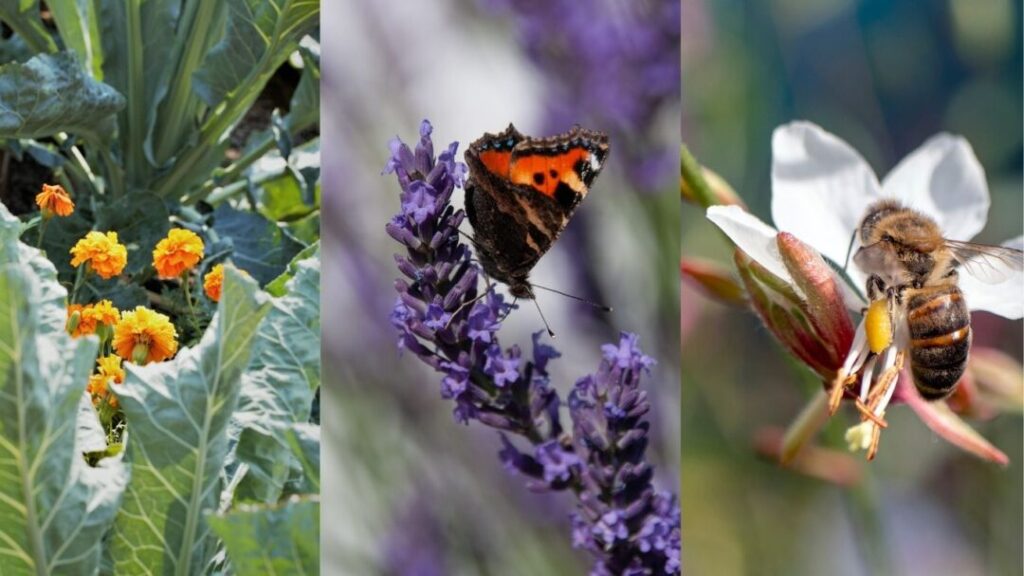
- Choose plants that attract more bees, butterflies & birds, these will reduce insect problems and assist with pollination
- Keep plants healthy, stressed plants attract pests
- Inspect regularly so problems can be dealt with early
The more variety you plant, the stronger your natural pest control system becomes. Ask us about natural pest control solutions and companion planting.
Here are some superstar plants that do it all:
- Marigolds – A must have! They help repel aphids, whitefly, and reduce nematodes in the soil (Soil Pests). Plant them between veggies, roses, and summer annuals for natural protection and cheerful colour.
- Lavender – Repels moths, flies, and mosquitoes, while attracting bees and butterflies. Perfect for sunny borders, pots, and pathways.
- Petunias – Great for deterring aphids, leafhoppers, and tomato worms. Ideal for filling gaps with colour while quietly protecting nearby plants.
- Zinnias – Attract beneficial insects and pollinators. Their bright blooms bring bees and butterflies into the garden, helping with pollination.
- Impatiens (for shade) – While mainly for colour, they help create healthy, biodiverse shady areas that attract beneficial insects.
- Gaura (Wand Flower) – A magnet for bees and butterflies. Adds movement, texture, and gentle pest balance to sunny borders.
- Rosemary – Helps confuse and deter flying pests.
- Basil – Great compantion plant, especially near vegetables. Helps deter whitefly and attracts pollinators.
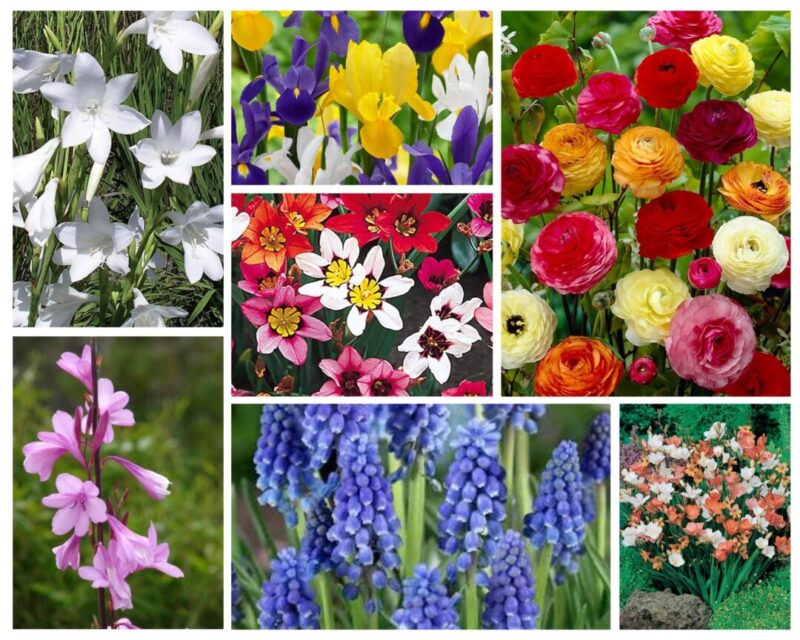
6. Plant now for autumn colour
- Plant autumn flowering favourites so they can settle before cooler weather
- Strong roots now mean better flowering later
- Ideal for gardeners who love planning ahead
A little preparation now delivers big seasonal rewards.
Great choices include:
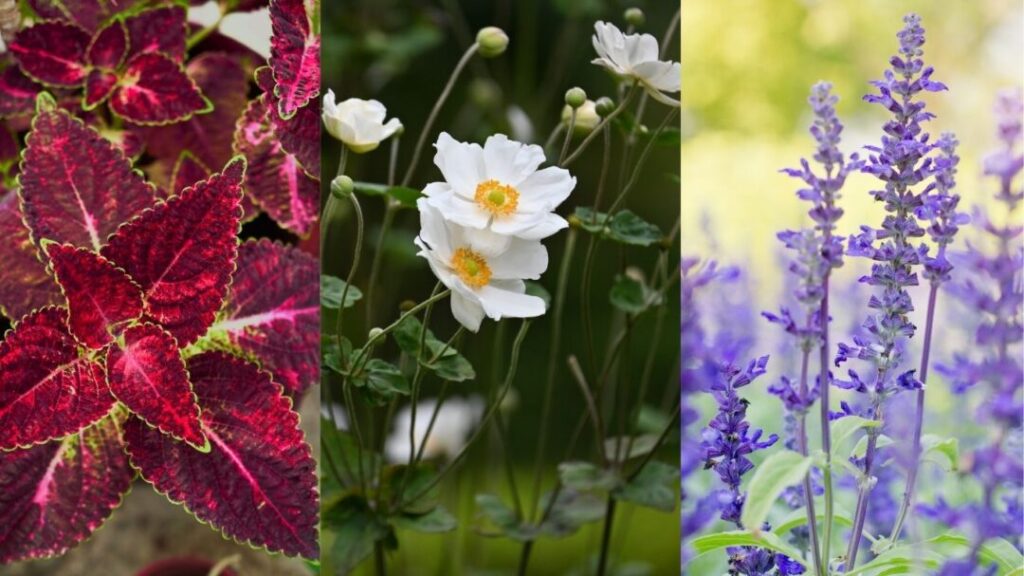
- Plectranthus – Reliable autumn colour, excellent for shade and part shade
- Japanese Anemones – Elegant flowers that light up late season gardens
- Salvias (autumn flowering varieties) – Extend colour into cooler months
- Gaura – Light, airy flowers that bridge summer into autumn
- Lavender – Autumn planting sets plants up beautifully for spring
7. Indoor plants
Summer care made simple. Indoor plants are actively growing at this time of year, which means they need a little extra attention to stay lush and healthy through the warmer months.
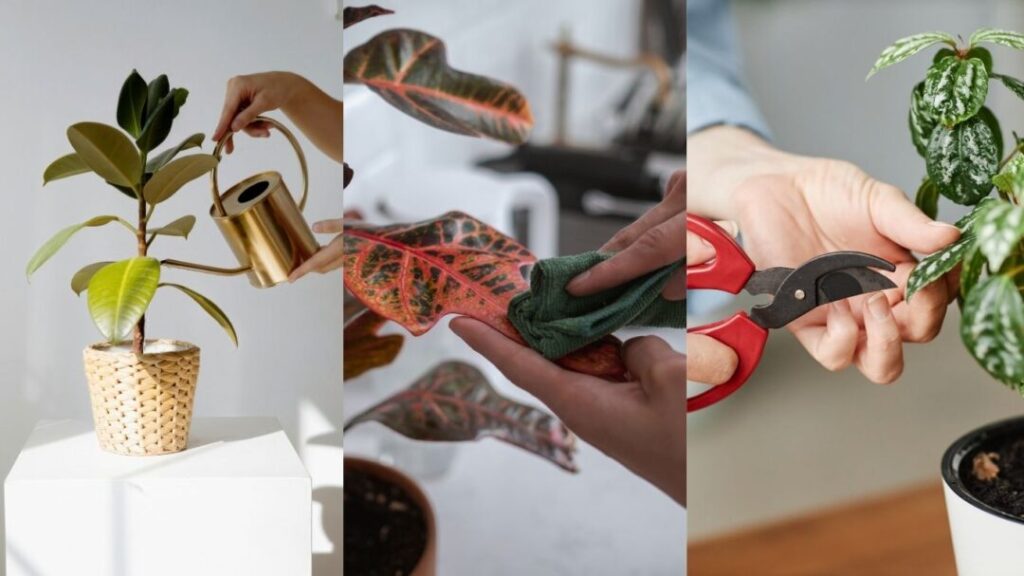
- Wipe dust off leaves so plants can breathe properly
- Rotate pots occasionally for even growth
- Watch for pests like mealybug or scale and treat early
Care Tips:
- Watering – Most indoor plants will need watering more frequently in summer. Always check the soil first, water when the top few centimetres feel dry. Avoid overwatering, as soggy roots can quickly lead to problems.
- Light – Bright, indirect light is ideal for most indoor plants. Keep them away from harsh afternoon sun, which can scorch leaves. If a plant looks stretched or pale, it may need more light.
- Humidity & Airflow – Warm weather and open windows can dry out indoor air. Grouping plants together helps increase humidity naturally. Make sure rooms are well ventilated but avoid placing plants directly in strong drafts. Occasionally dust leaves off to help them breath and photosynthesise.
- Feeding – Indoor plants benefit from a light liquid feed every 2–3 weeks during active growth. This keeps foliage fresh, glossy and vibrant.
We have a beautiful selection of indoor plants in stock, perfect for brightening & refreshing your home, adding a touch of green to any space.
8. Fruit trees
Set them up for success now. February is an important month for fruit trees, what you do now will influence not only their health but also future harvests.
- Check regularly for pests and signs of disease
- Remove any damaged or dead growth
- Keep the area around the tree clear of weeds
Maintenance:
- Watering – Fruit trees need deep, consistent watering, especially during hot spells. Deep watering encourages strong root systems and helps prevent stress related fruit drop.
- Mulching – Apply a thick layer of organic mulch around the base (keeping it clear of the trunk). Mulch helps:
- Retain soil moisture
- Keep roots cool
- Improve soil structure over time
- Feeding – Now is a great time to feed fruit trees with a balanced fertiliser. This supports healthy growth and prepares the tree for flowering and fruiting in the months ahead.
Planting New Fruit Trees:
If you’re planting now, choose a sunny position, prepare the soil well, and water deeply after planting. Getting these basics right early makes all the difference.
Whether you’re growing citrus, stone fruit or something a little different, our team can guide you on the best care for your specific trees.